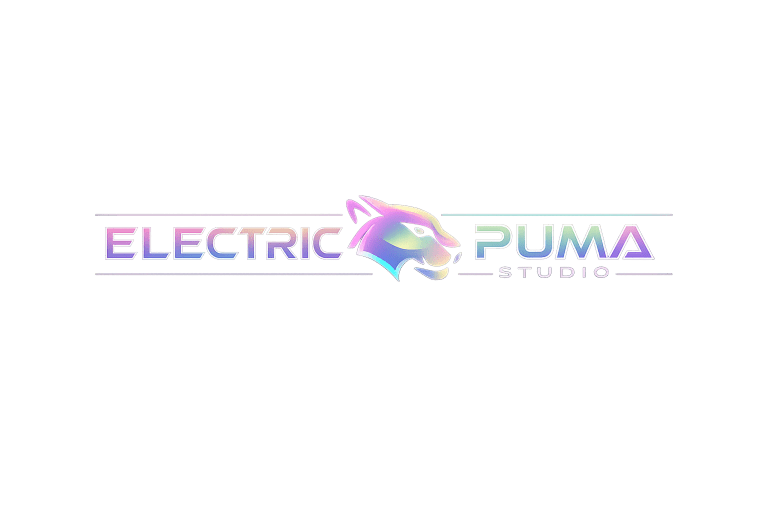
Take a reference photo of an existing logo, any logo, and ask an AI to rebuild it in a completely different material: metal, neon, marble, whatever you want. The usual problem is that the model "drifts" and changes the shape, the proportions, sometimes even the text. After a few rounds of trial and error, we landed on an AI logo prompt formula that keeps the original design accurate down to the pixel, even when the material changes completely.
How This AI Logo Prompt Works
Attach your logo image as a reference (image-to-image) and paste the prompt. That's it. There's no need to redescribe the shape, colors, or text of the logo — the prompt is already built to preserve them and focus only on the material change.
The prompts below all follow the same structure: an explicit instruction to preserve the original shape, a description of the new material, and at the end an explicit negative instruction for whatever the model tends to "complete" on its own (wires for neon, a block instead of a full-frame texture, and so on). That's the core lesson we learned: ask for a material without explicit guidance, and the model invents a whole scene around it that you never asked for.
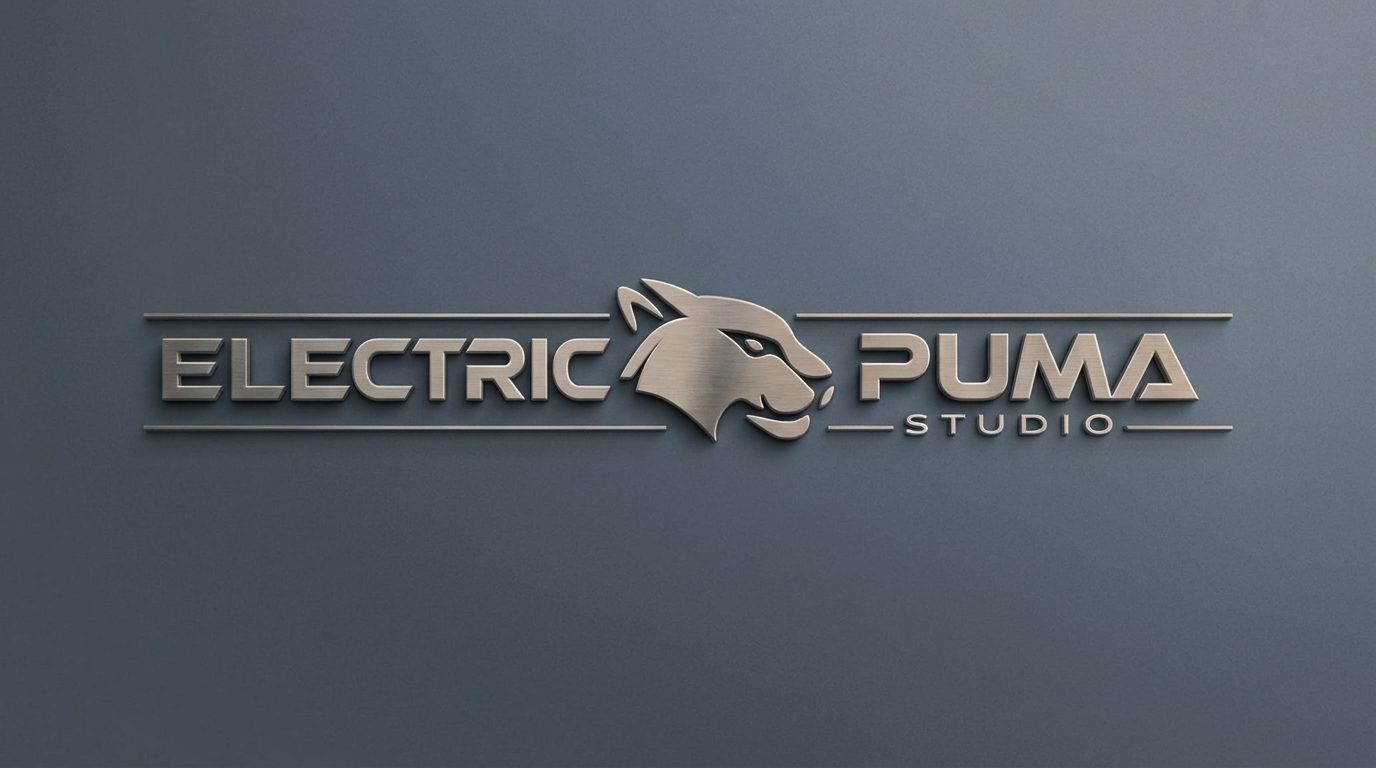
Brushed Metal Emboss
The first style turns the logo into a polished metal emboss — the kind of metal sign that could sit on an office wall or a slide deck cover.
Here's the full prompt:
Recreate this exact logo, preserving its precise shape, proportions, text, and layout with 100% accuracy — but rendered as a brushed metal emboss: polished stainless steel surface, fine directional brushing texture, subtle specular highlights, soft studio lighting, slight 3D relief depth, neutral dark background, product-photography quality, no distortion of the original design.
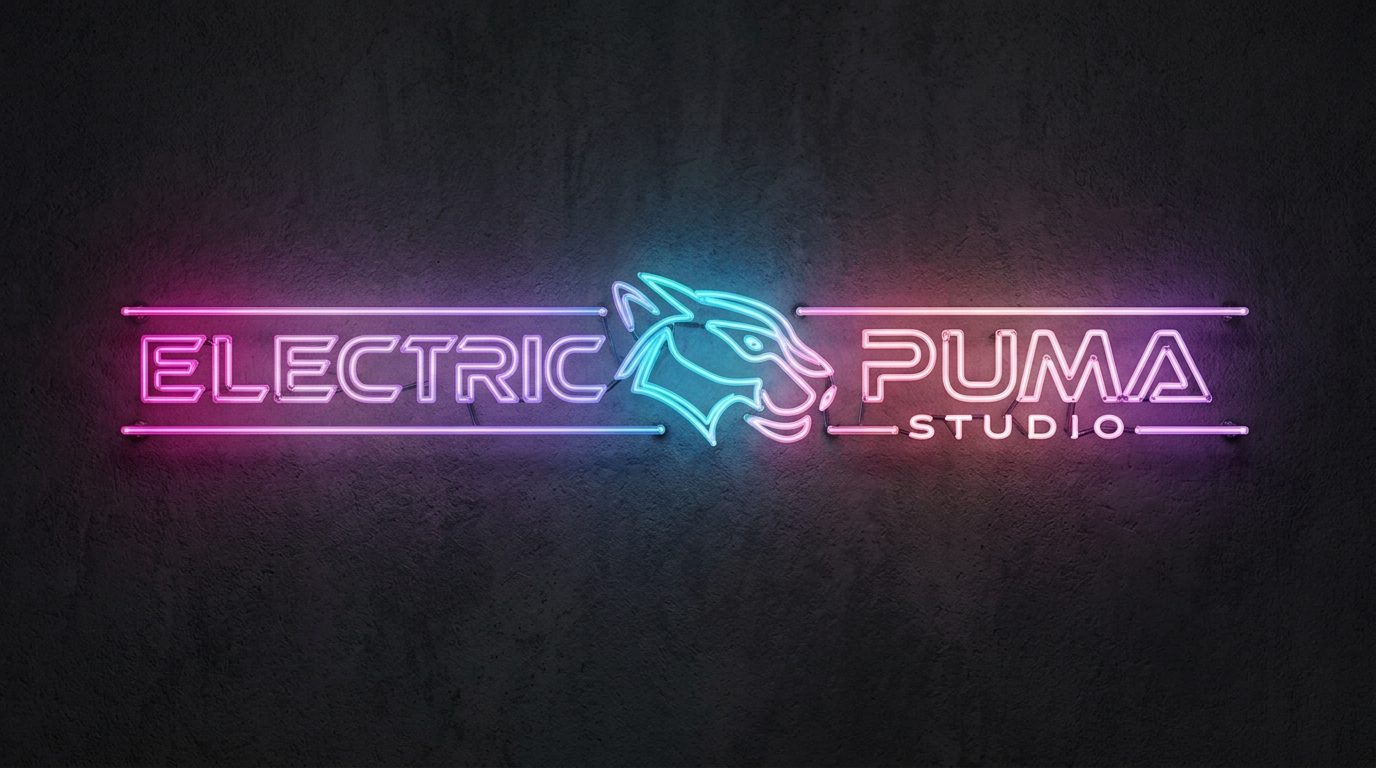
Illuminated Neon Glass
This one creates a real neon-sign effect, in the logo's original colors. The critical part: without an explicit negative instruction, the model tends to add electrical cables connected to the letters, as if it were a real sign that needs power. The prompt below already includes that fix.
Here's the full prompt:
Recreate this exact logo, keeping its precise shape, proportions, text, and layout completely unchanged — but rendered as a glowing neon glass tube sign: vibrant colored light matching the logo's original palette, soft outer glow and reflection, glass tube thickness following the exact letterforms and icon outlines, mounted flush on a dark textured wall, realistic neon photography style. Show ONLY the glowing glass tube shape of the logo itself — no visible wires, cables, cords, transformers, power sources, mounting brackets, or any electrical hardware of any kind. No alteration to the design itself.
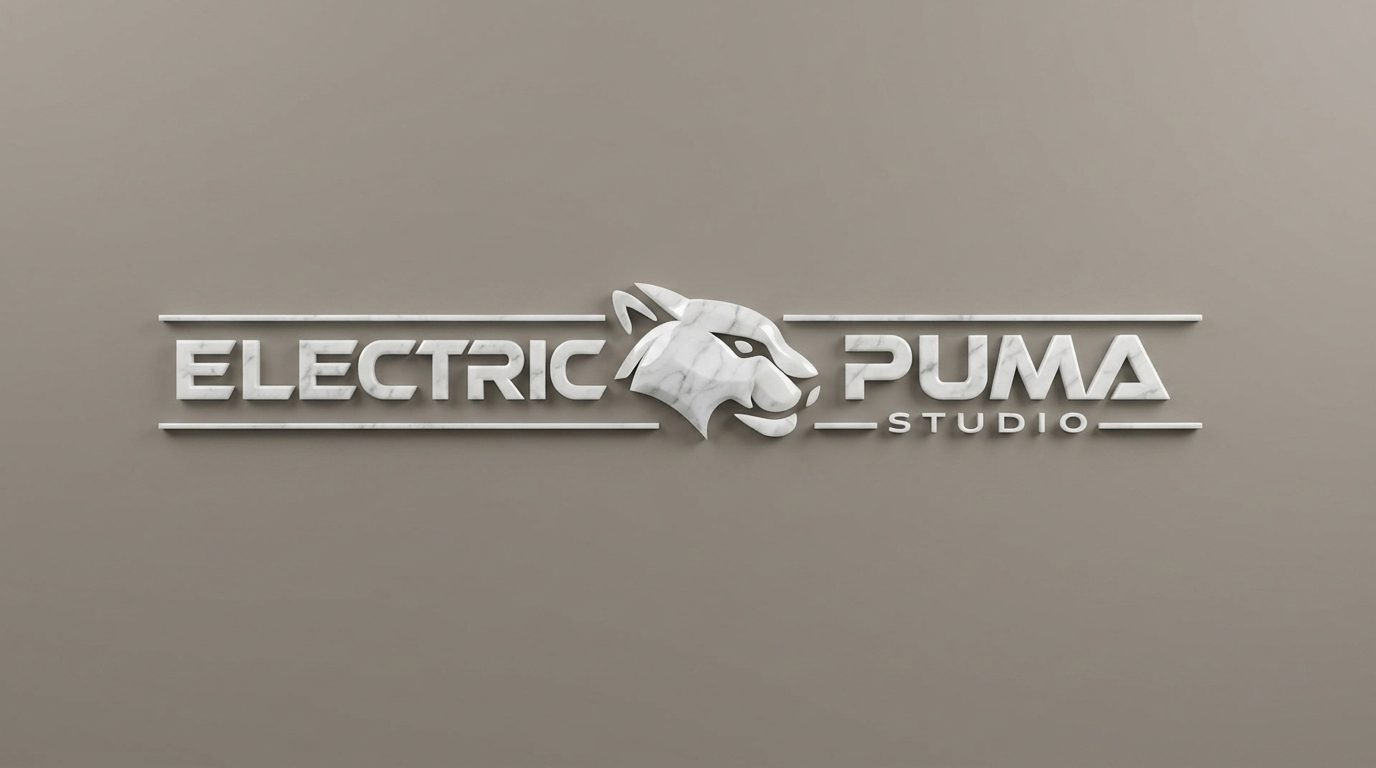
Polished Marble
Here the letters and icon themselves become a marble sculpture — not a marble slab with something on it, the shape itself is made of the material.
Here's the full prompt:
Recreate this exact logo, preserving its precise shape, proportions, text, and layout with 100% accuracy — but rendered as if the letters and icon themselves are solid polished marble sculptures: white marble with natural gray veining, smooth glossy sculpted surface, mounted flush against a neutral studio background, soft even lighting emphasizing the stone's veining and subtle translucency, product-photography quality. The marble is the material of the logo shapes themselves — NOT a slab, panel, pedestal, or relief carved into a larger surface. No table, no floor, no surrounding room. No distortion of the original design.
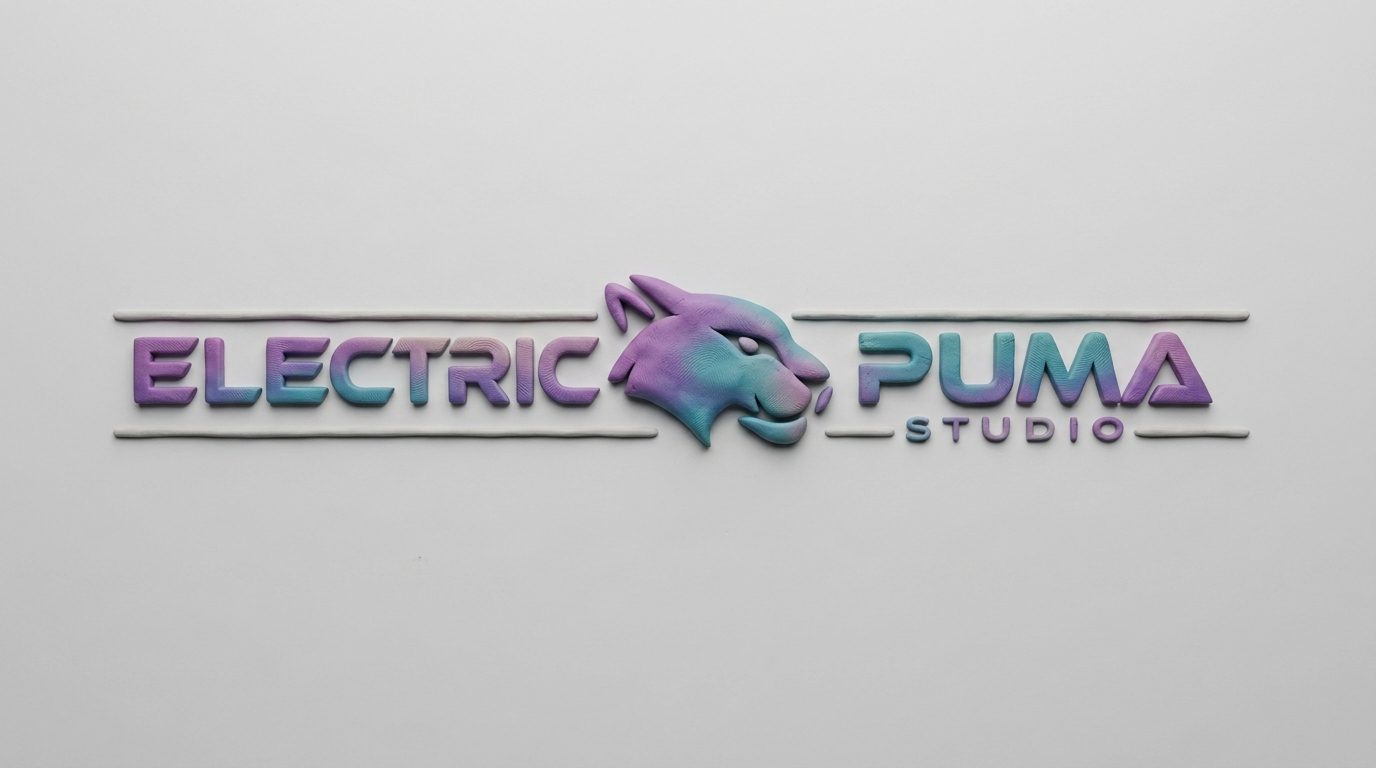
Modeling Clay
A pleasant, informal style, good for brands that want to feel human and playful rather than industrial.
Here's the full prompt:
Recreate this exact logo, preserving its precise shape, proportions, text, and layout with 100% accuracy — but rendered as if the letters and icon themselves are sculpted from soft modeling clay: matte clay surface with subtle hand-sculpted fingerprint texture and slightly imperfect rounded edges, claymation/stop-motion material look, mounted flush against a neutral studio background, soft even lighting, stop-motion product photography quality. The clay is the material of the logo shapes themselves — NOT a flat slab or relief carved into a surface. No table, no floor, no surrounding room. No distortion of the original design.
Plush Fuzzy Fur
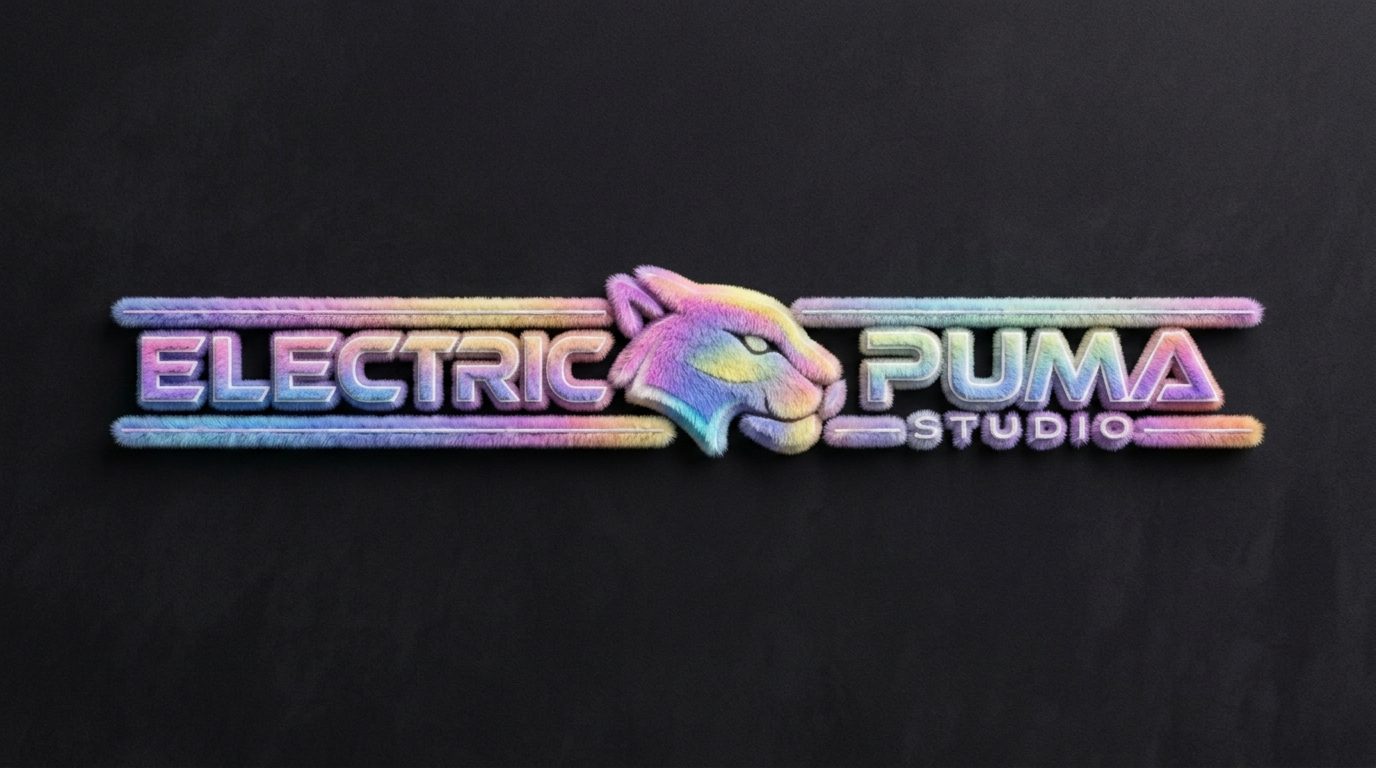
The last of the five, and in my opinion the most surprising: the logo covered in soft fur, like a plush toy.
Here's the full prompt:
Recreate this exact logo, preserving its precise shape, proportions, text, and layout with 100% accuracy — but rendered as if the letters and icon themselves are covered in soft plush fuzzy fur: short, dense, evenly-trimmed synthetic fur texture matching the logo's original colors, soft rounded plush toy-like edges, individual fur strands visible under close lighting, mounted flush against a neutral studio background, soft diffused lighting emphasizing the fur's softness and texture, macro product-photography quality. The fur is the material of the logo shapes themselves — NOT a flat panel, board, or relief carved into a larger surface, NOT a fur rug or fabric with the logo printed on it. No table, no floor, no surrounding room. No distortion of the original design.
5 more styles are waiting for you
We tested 10 materials in total, and every one of them worked in practice. The five above are here, but five more, including marble's stranger cousin, cork, inflated vinyl, and one that even surprised us, are available in full in the link below.
👉 Find the 5 extra prompts here, including the full copy-paste-ready text.
When does it actually make sense to touch your logo?
Brand identity is a sensitive asset, and there's a good reason it's not common to casually change an existing logo. But sometimes, for a specific campaign, a particular season, or a one-off creative push tied to an AI-based personal brand, there's real value in a design touch that genuinely serves the message, as long as it keeps the logo's overall frame intact instead of erasing it. That's precisely the difference between this technique and a rebrand: a temporary, purpose-built variation, not a permanent change.
And it doesn't have to be a commercial logo at all. The same prompt formula works just as well on AI video titles, where you sometimes want to give the typography a seasonal or thematic touch without building new typography from scratch every time.
We have plenty more prompts like this, tested in practice, right here on the blog.
Closing thought
There's nothing secret or technically complicated here. It's the same lesson that keeps repeating itself in almost every prompt experiment we run in our AI video studio: the model will always try to "complete a story" around your request unless you explicitly tell it not to. The gap between a prompt that works and one that fails almost always comes down to those same 2-3 sentences of explicit negation, the part the model is not supposed to add on its own.
If you've got an existing logo you've always wanted to see in a different version, now's the time to try.
Want to see more prompt experiments like this before they become an article? We post some of them on Instagram too.
You might also like
 Cool AI Video in 3 Min